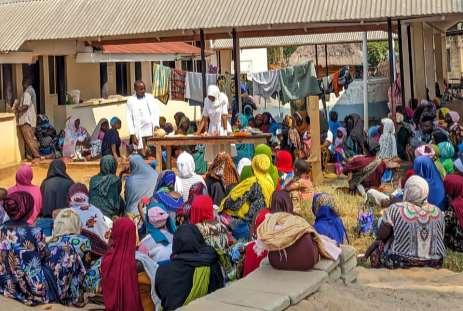
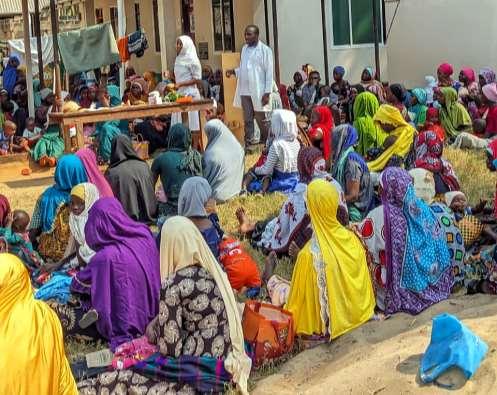
Through our Birth Preparedness Advocates Program, we empower adolescent mothers with compassionate, practical support helping them navigate pregnancy and early motherhood with confidence and dignity.
SINCE 2020, WE HAVE
✓ Supported 1,500+ adolescent mother–baby pairs
✓ Established adolescent-friendly care in 20 health facilities, improving access to essential maternal and newborn services
✓ Helped 99.5% of children in the program reach normal early childhood development milestones
✓ Reduced reported sexual and gender-based violence among participants from 33% (about 1 in 3) at baseline to 3% after 48 months


The journey of our Birth Preparedness Advocates Program
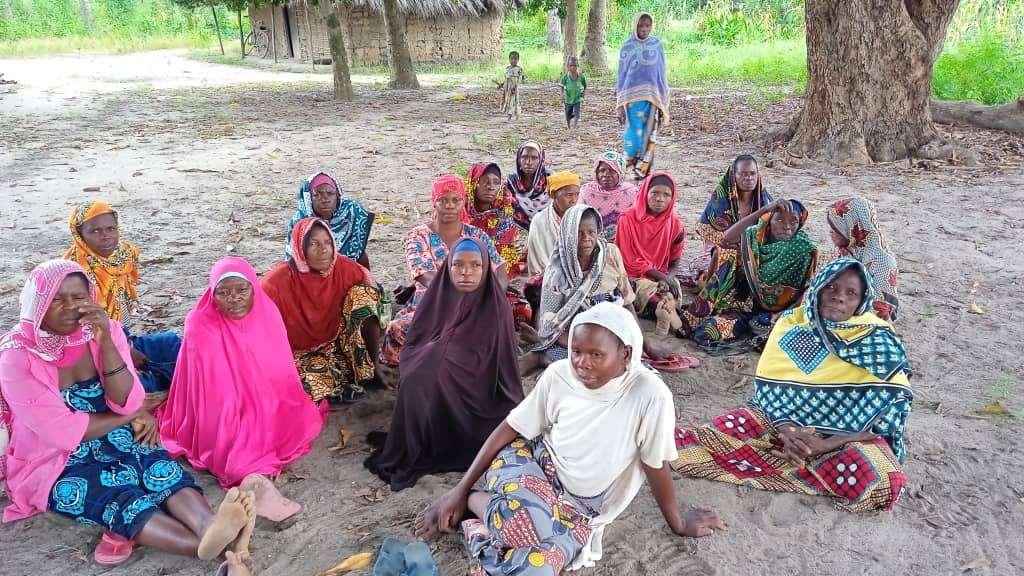
In Tanzania, one in five adolescent girls begins childbearing before the age of 19. These young mothers face significantly higher risks of complications during pregnancy and childbirth — among the leading causes of death for girls aged 15 to 19 worldwide. At the start of our program, nearly one in three adolescent mothers reported experiencing sexual or gender-based violence.
PHBC launched the Birth Preparedness Advocates Program in 2020 to improve the health and well-being of adolescent mothers and their babies, and the program has delivered measurable impact in the years since.
How the program works
Through a network of trained health workers and Birth Preparedness Advocates, PHBC runs structured peer-support groups that strengthen maternal mental health and promote positive parenting. Our Advocates are trained in adolescent-friendly reproductive, antenatal, and postnatal care, ensuring young mothers receive respectful, quality services close to home.
Compassionate emotional support
At the heart of the program is emotional support for adolescent mothers — one of the most vulnerable groups in our communities. In regular group sessions, mothers build confidence and practical skills in breastfeeding, nutrition, Kangaroo Mother Care, early stimulation, and responsive caregiving.
Engaging fathers and families
The program actively involves fathers and extended family members, recognising their essential role in supporting young mothers. This inclusive approach has been central to the significant reduction in sexual and gender-based violence we have seen among participants.
Looking ahead
PHBC aims to integrate its proven peer-support model into government-led Group Antenatal and Postnatal Care services, aligning community support with routine health visits. By linking these sessions with paediatric care, we ensure continuous support for mother and child from pregnancy through the first three years of life.